1. Find your starting group
Begin with a few interested students and at least one dependable adult. A teacher, parent, coach, or community volunteer can help with school approval, meeting space, communication, and safety requirements. You do not need a room full of robotics experts; curiosity and consistency matter more.
2. Choose the right program
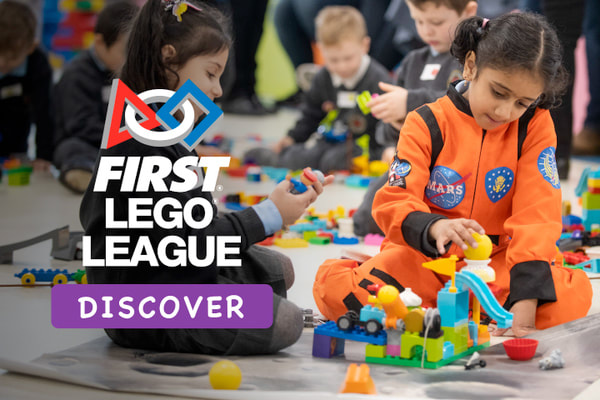
Match the program to students’ ages, experience, time, and available resources. FIRST LEGO League offers an approachable LEGO-based entry point, FIRST Tech Challenge introduces more advanced design and programming, and FIRST Robotics Competition operates at a larger high-school scale.
3. Secure school support
Prepare a short proposal explaining who the team will serve, when it will meet, what space it needs, anticipated costs, and how students benefit. Ask about activity approval, transportation, storage, purchasing rules, volunteer screening, and event participation before committing funds.
4. Build a starter budget
Separate required costs from optional upgrades. Include registration, robot materials, tools, event fees, team shirts, transportation, storage, replacement parts, and a small contingency. Then identify school support, family contributions, grants, sponsors, and fundraising opportunities.
5. Create roles and a schedule
Students can contribute through building, programming, research, documentation, design, outreach, fundraising, and presentation. Set a predictable meeting schedule and early milestones so the team has time to learn, test, fail, and improve.
6. Ask for help
FIRST For Youth helps students and schools understand program options, organize teams, and connect with mentoring support. Reaching out early can prevent common mistakes and make the first season more sustainable.