1. Ideas become real
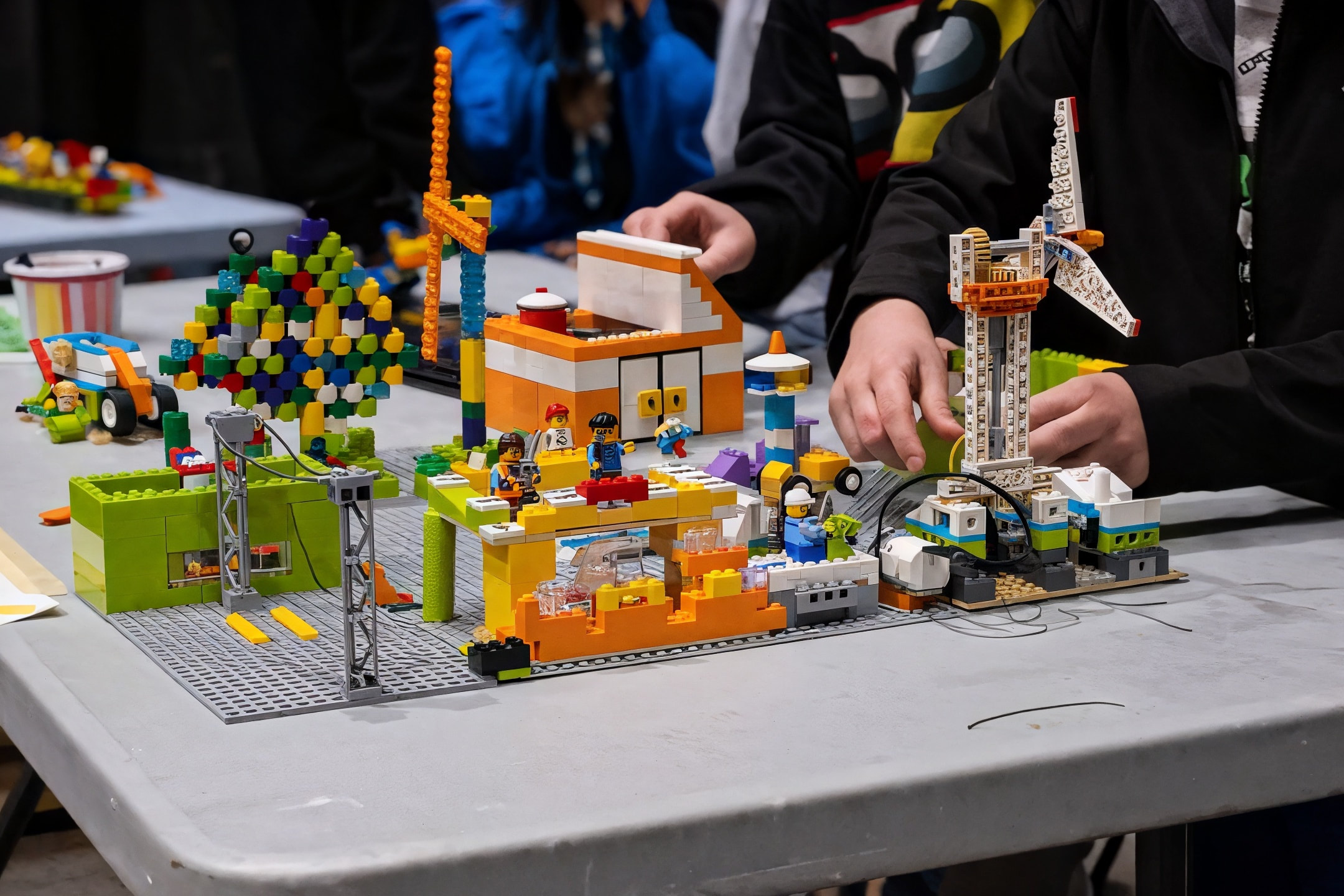
Students can move from a sketch or discussion to a physical machine that moves, senses, and responds. That visible connection between an idea and its outcome makes learning immediate and memorable.
2. Failure becomes useful
Robots rarely work perfectly on the first attempt. Students learn to treat a failed test as information: identify the cause, change one variable, test again, and document what improved.
3. Everyone can contribute
A team benefits from technical, creative, organizational, and communication skills. Students who enjoy art, writing, business, photography, research, public speaking, or logistics can make essential contributions.
4. Teamwork has a real purpose
Deadlines and shared challenges require students to listen, divide work, explain decisions, and support one another. Collaboration stops being an abstract classroom idea and becomes necessary to make the robot succeed.
5. New futures become visible
Robotics exposes students to engineering, software, design, manufacturing, entrepreneurship, and many related careers. Even students who choose another path gain confidence with technology and complex problem-solving.