Exposure changes what students imagine
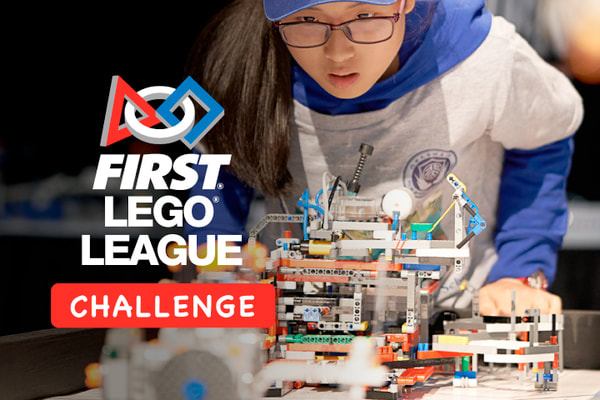
Hands-on STEM experiences make technical fields concrete. Instead of seeing engineering as something distant, students can build a mechanism, debug code, measure a result, and recognize that they are capable of learning difficult things.
Access means more than equipment
A kit on a shelf is not a complete program. Students also need time, a welcoming environment, trained or supported mentors, transportation or nearby opportunities, and adults who believe beginners belong.
Early opportunities create momentum
When students encounter STEM before high school, they have more time to build confidence, choose relevant classes, join teams, and imagine future study or careers. Early experiences can also make later technical challenges feel less intimidating.
Community programs can close local gaps
Student volunteers, schools, families, nonprofits, and sponsors can combine resources that no single group could provide alone. Local partnerships also make programs more responsive to the students and schools they serve.
Belonging is part of access
Students should not need prior experience to feel welcome. Programs become stronger when they value different backgrounds, learning styles, interests, and contributions—not only the students who arrive already confident with technology.